

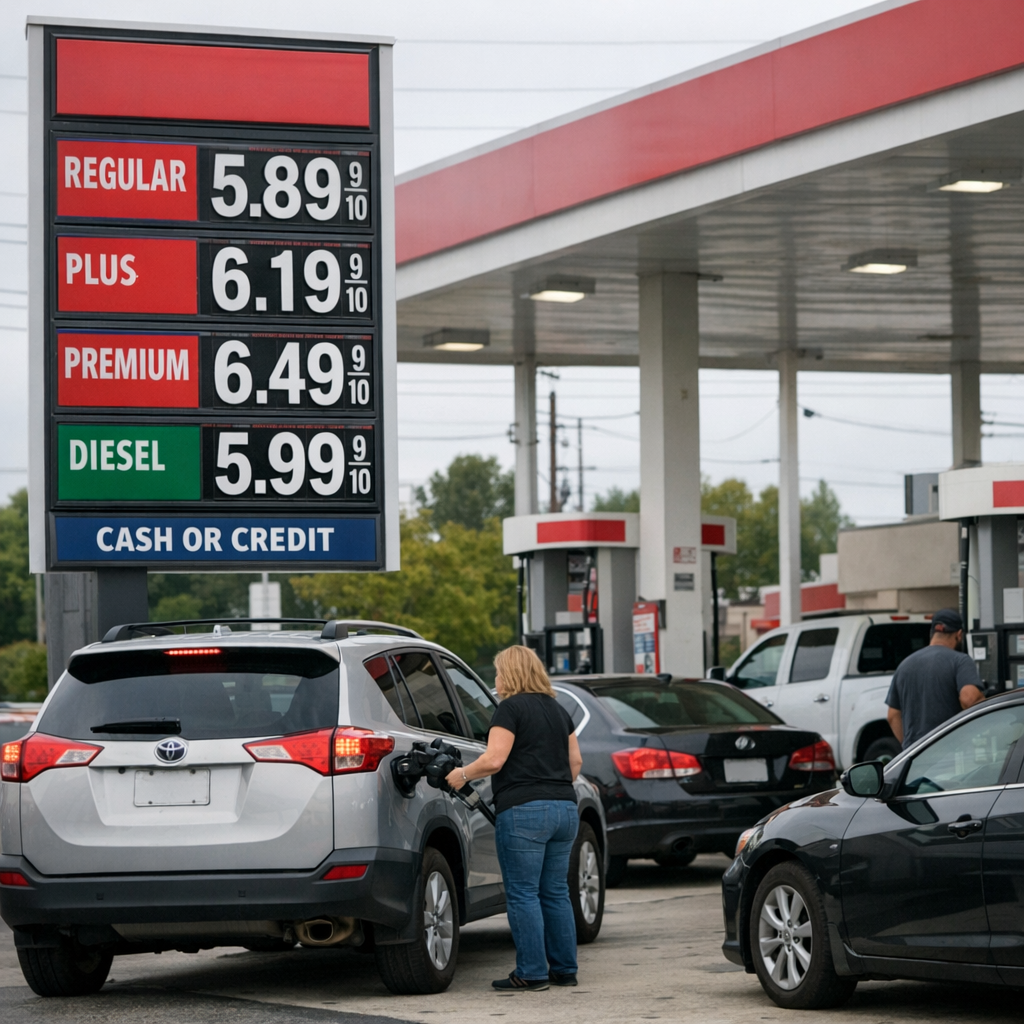
As the nation grapples with economic challenges, many Americans are expressing concern over rising inflation and escalating energy costs. Recent data indicates a significant increase in consumer prices, with inflation reaching 3.8% in April, the highest in three years. This surge is largely attributed to the ongoing military conflict with Iran, which began in February and led to the closure of the Strait of Hormuz, a critical passage for global oil shipments. Consequently, average gas prices have exceeded $4.50 per gallon nationally, with some states experiencing prices above $5.
The labor market has also shown signs of strain. February saw a loss of 92,000 jobs, marking a concerning trend for the economy. While the health care sector continues to add jobs, other industries are facing challenges, leading to an overall decline in employment opportunities.
In response to these economic pressures, the Federal Reserve has maintained its benchmark interest rate at 3.6%, aiming to balance economic growth with inflation control. However, the effectiveness of this strategy remains a topic of debate among economists and policymakers.
For residents of Mobile, Alabama, these national trends have tangible local impacts. The rise in gas prices affects daily commutes and transportation costs, while job market fluctuations influence employment opportunities within the community. As the situation evolves, staying informed and proactive in financial planning becomes increasingly important for individuals and families navigating these uncertain times.