

As we navigate through 2026, the national economic landscape presents a complex picture, with various factors influencing both the broader economy and local communities like Mobile, Alabama.
Employment Trends
Recent data indicates a downturn in job creation, with February witnessing a loss of 92,000 jobs. This shift follows a period of modest gains, raising concerns about the stability of the labor market. Notably, the unemployment rate for individuals born in the U.S. has risen over the past year, suggesting that domestic workers are facing increased challenges in securing employment.
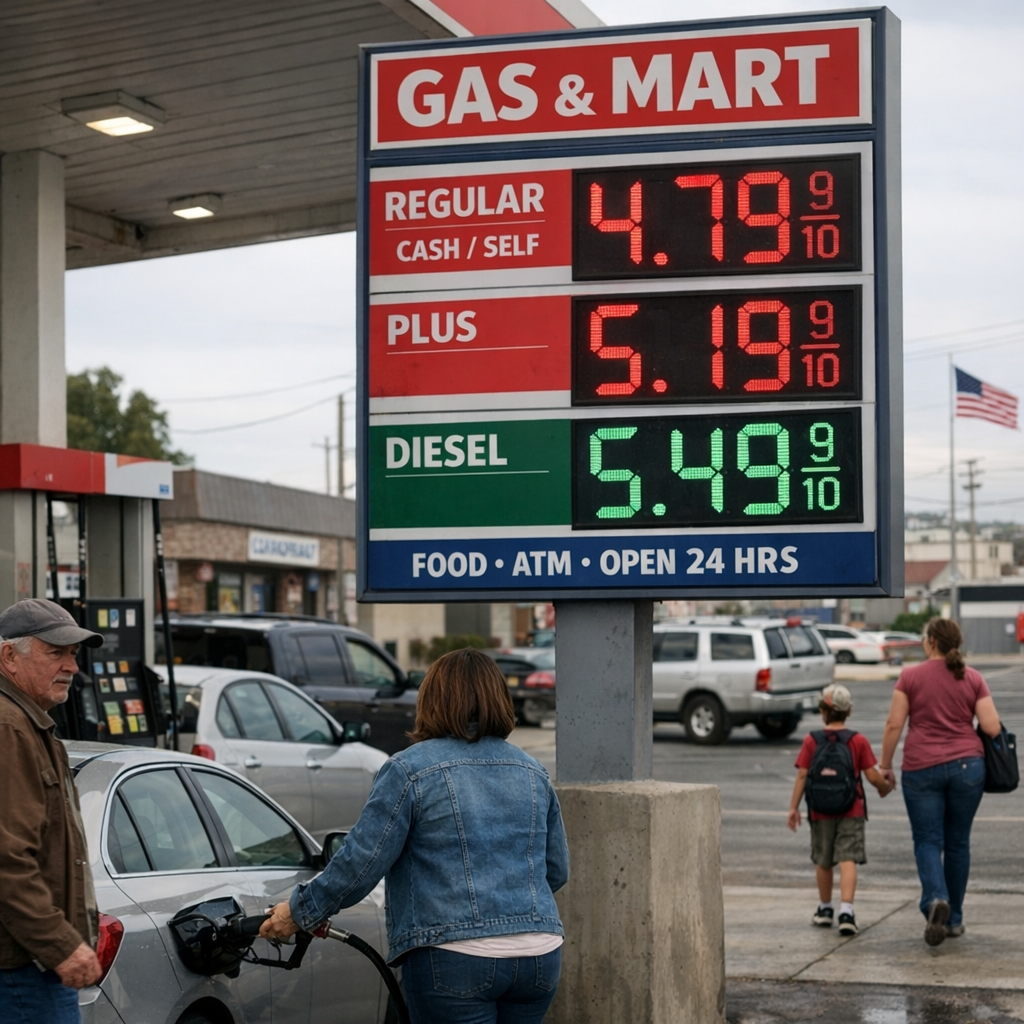
Rising Fuel Costs
Gasoline prices have surged by 19% over the past month, reaching a national average of $3.45 per gallon. This increase is largely attributed to geopolitical tensions affecting global oil supply chains. For residents of Mobile, who rely heavily on personal vehicles, these rising costs can significantly impact daily expenses and overall economic well-being.
Stock Market Volatility
The stock market has experienced a 5% decline over the past month, reflecting investor concerns over economic stability and international conflicts. While the market had previously reached record highs, recent fluctuations underscore the uncertainty that can affect both national and local economies.
Local Implications
For communities like Mobile, these national trends have tangible effects. Rising fuel prices can lead to increased costs for goods and services, as transportation expenses climb. Employment challenges may result in reduced consumer spending, affecting local businesses. Additionally, stock market volatility can influence local investment and economic confidence.
Staying informed about these developments is crucial. By understanding the broader economic context, residents can make informed decisions to navigate these uncertain times effectively.